How I run Claude Code and Codex together to ship dozens of apps
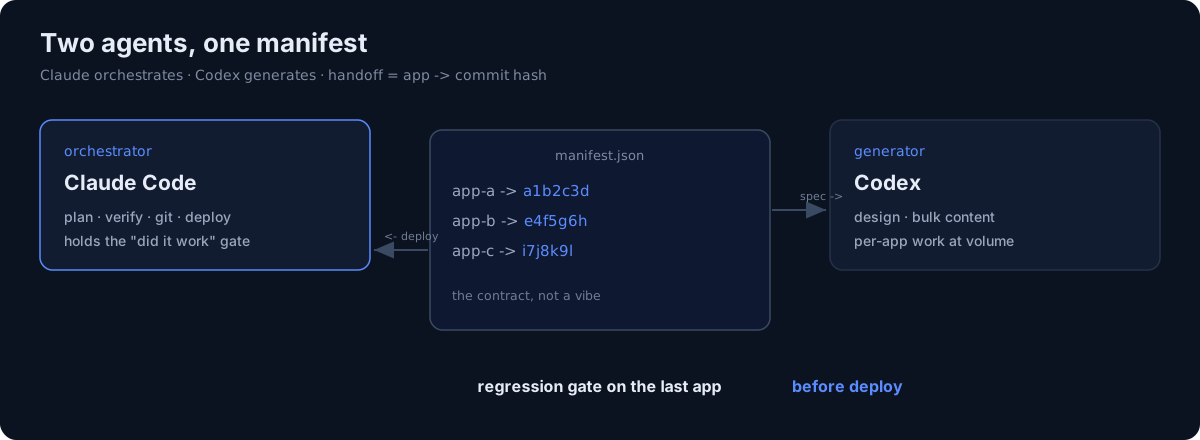
A two-agent workflow: Claude orchestrates (plan, verify, deploy), Codex generates (design, content). The handoff is a manifest, and the whole thing lives or dies on verification gates.
Practical workflows for delegating, reviewing, and constraining AI coding agents.
A two-agent workflow: Claude orchestrates (plan, verify, deploy), Codex generates (design, content). The handoff is a manifest, and the whole thing lives or dies on verification gates.
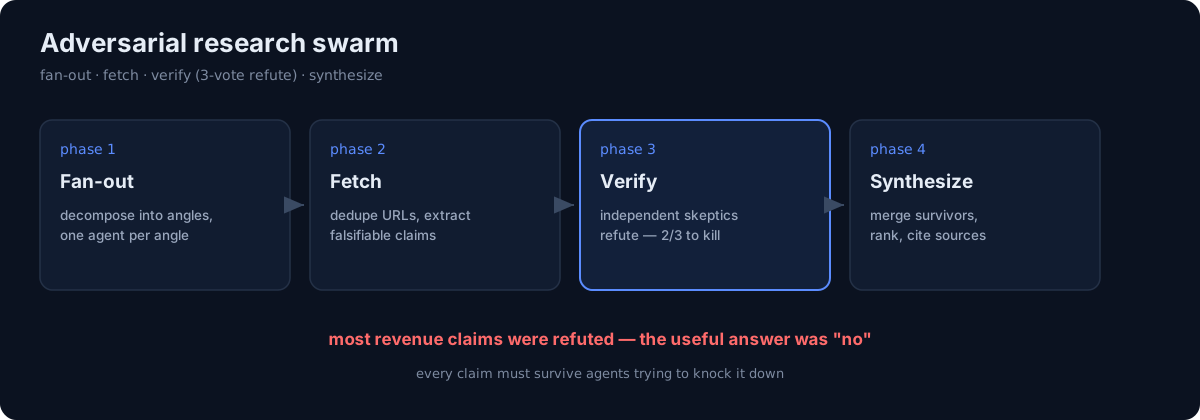
A fan-out research workflow with adversarial verification: many search agents, then a 3-vote refutation gate. I pointed it at 'is YouTube automation monetization real?' — and it killed most of the claims I wanted to believe.
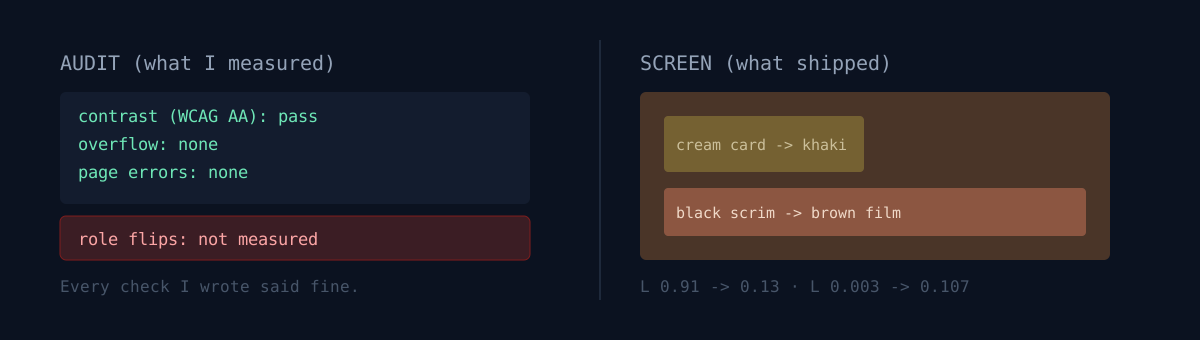
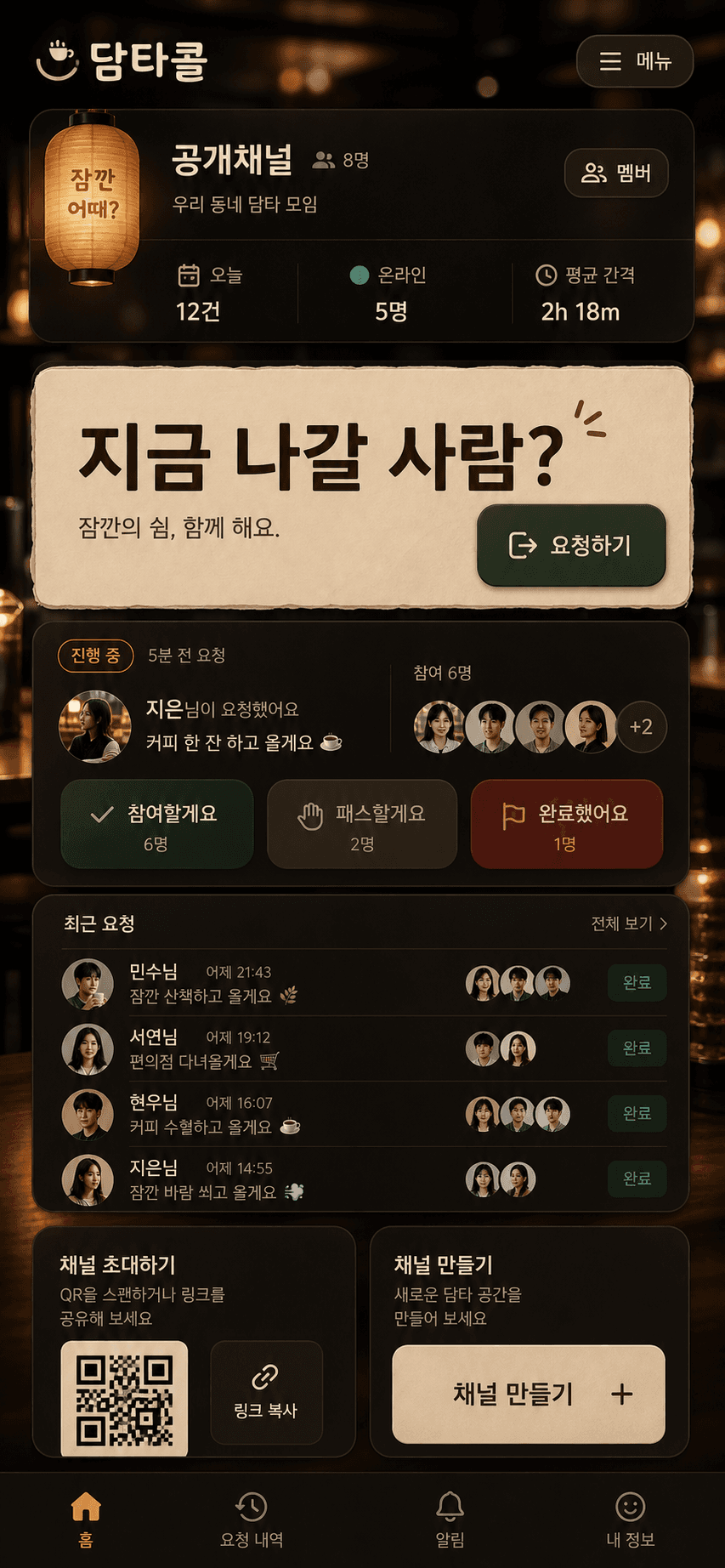
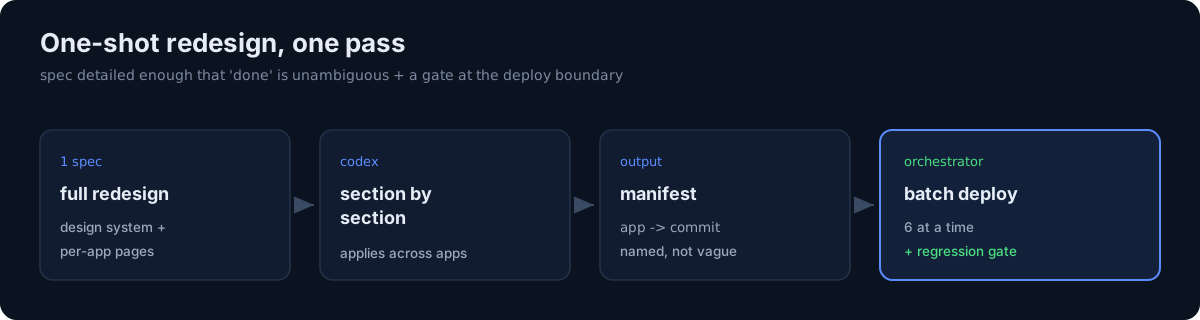
One spec, handed to Codex, covering a full design-system redesign across dozens of apps — then batch-deployed by an orchestrator with a regression gate on the last app before shipping.
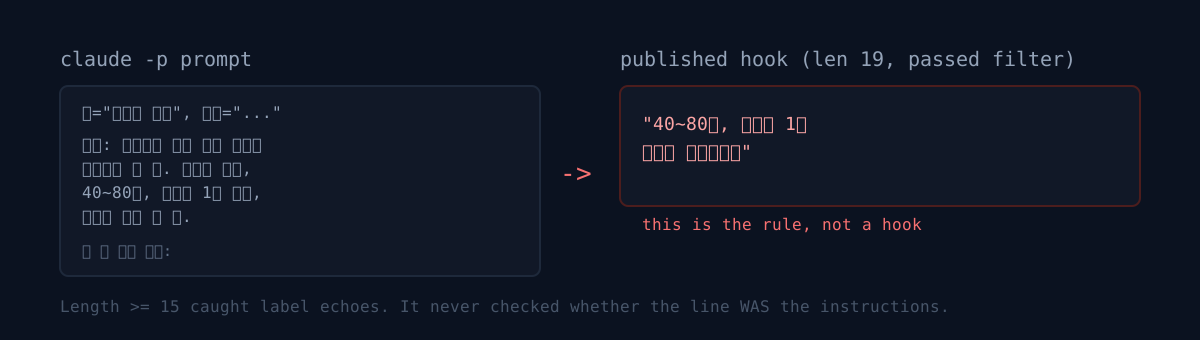
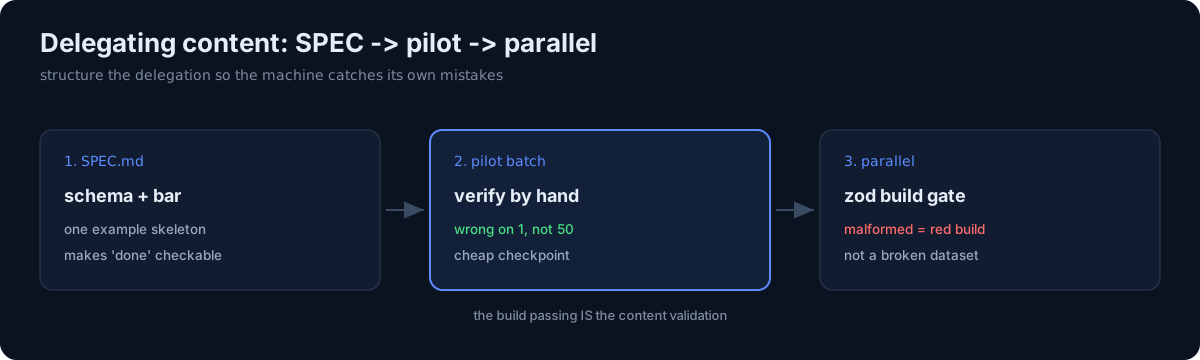
How I let an agent generate content in bulk without free-running it: a SPEC.md with schema and quality bar, one verified pilot batch, then parallel batches gated by a strict schema parse.
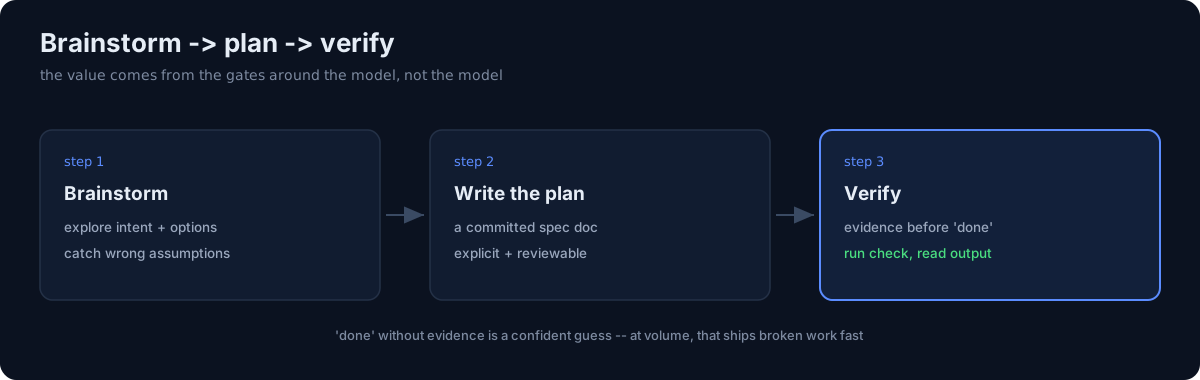
The single biggest quality lever with coding agents isn't the model — it's a process that forces brainstorming before design, a written plan, and verification before any 'done' claim.
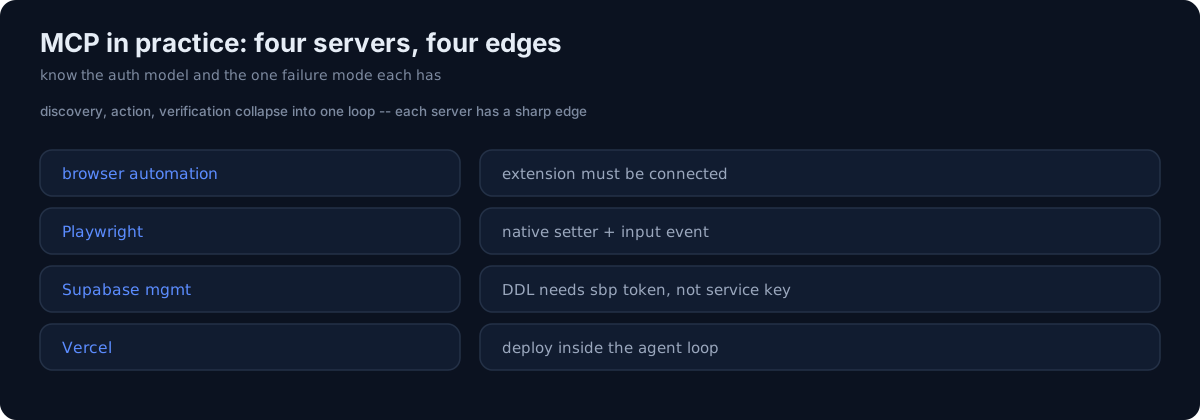
What actually using Model Context Protocol servers looks like in a real workflow — driving a browser, capturing result cards with Playwright, running Supabase DDL, and the gotchas each one has.
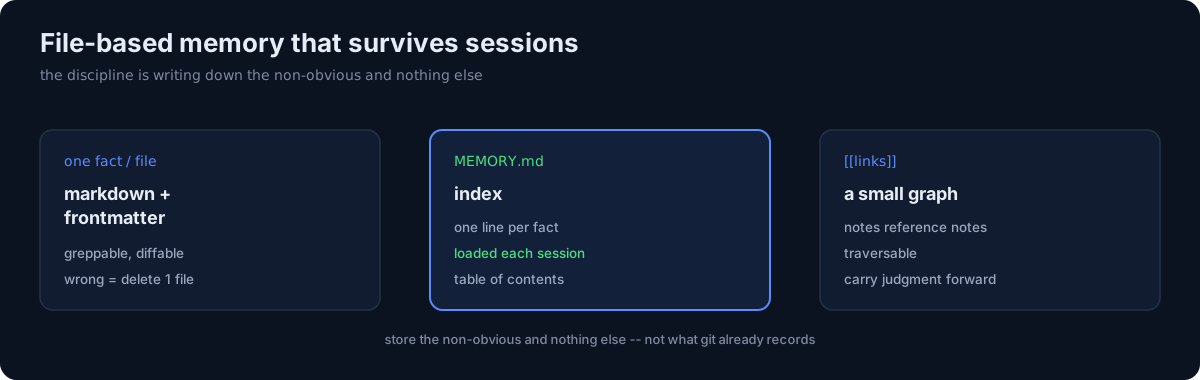
One fact per file with frontmatter, an index loaded each session, and links between notes. A simple, greppable memory that lets an agent carry context forward without a database.